
| Age band | Example chores | Planning use |
|---|---|---|
| Ages 8-11 | Wash and clean dishes, sweep or vacuum floors, clean surfaces, water plants | Skills a teenager should already hold. If any are missing, teach them first rather than assuming. |
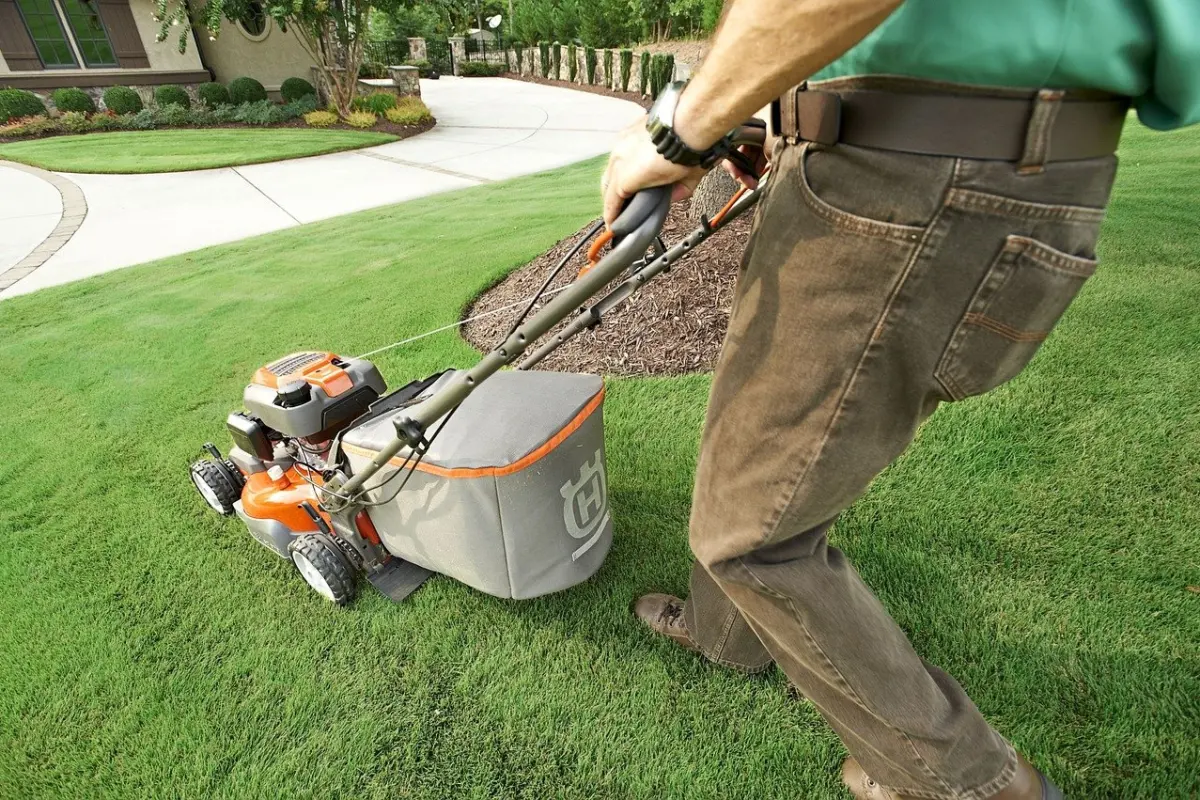
| Ages 12-15 | Mow the lawn, do a full laundry load, plan meals, take out the garbage, walk the dog | The core contribution for early and mid teens. Pick a few and let the teen own each job from start to finish. |
| Ages 16-18 | Grocery shopping, cook dinner one night a week, clean the entire bathroom, drive younger siblings to activities | Bigger jobs that mirror running a household. Negotiate driving as an extra rather than a default. |
These examples come from Do Say Give’s list of age-appropriate chores. Treat them as starting points, because 101planners notes that age is only one factor in whether a child can handle a specific chore.
Good chores for teenagers are real household jobs they can run from start to finish, agreed with them rather than imposed. Begin with age-appropriate examples, negotiate a fair family contribution, and keep pocket money separate.
Chores sit inside wider family rules, so it helps to read about how to set boundaries with a teenager alongside this guide. The sections below follow the order most families need: choose the jobs, negotiate, write the chart, handle pushback, then sort out money.
Phase one: choose chores that fit your teenager
Household chores work best when they match what a teenager can actually do. Different chores require different skill levels, and Not Consumed points out that assigning chores by age sets expectations for when children can take on harder ones. Your teenager may be capable of more than the table suggests, or less, so use it as a menu rather than a rule.
Starting early helps. Research attributed to the American Academy of Child & Adolescent Psychiatry suggests chores can benefit children from as early as age 3, according to 101planners. A teenager who has never been asked to do anything is not a lost cause, but expect to teach before you expect.
Everyday indoor jobs
For ages 12-15, Do Say Give lists doing an entire load of laundry from start to finish, planning meals and taking out the garbage. The words “start to finish” matter. A teen who sorts, washes, hangs and puts away their own washing is practising responsibility, while one who only carries a basket is helping you.
The same source notes that young children do not automatically know how to make a bed or unload a dishwasher. If your teen has skipped these jobs until now, show them once, work alongside them, then step back.
Outdoor and bigger jobs for older teens
Mowing the lawn appears in the older teen list, and grocery shopping and cooking dinner one night a week appear for late teens. These suit teenagers who have shown they can follow through on the everyday jobs. Before anyone works alone with a mower or similar equipment, make sure they have been shown how to use it safely. 101planners advises avoiding tasks that could expose younger children to harm, such as sharp objects or cleaning chemicals, and the same caution applies to teens who are still learning.

Phase two: negotiate a fair family contribution
A fair contribution is one the teenager helped to set. Expecting chores teaches responsibility and good habits at every age, according to Do Say Give, and a negotiated agreement also gives a teen some control, which supports their growing independence. Use these steps for the conversation.
- Pick a calm moment. Raise it away from a mess or an argument, and say that the aim is for everyone in the house to share the work.
- List every regular household job together. Cooking, bins, laundry, pets, garden and cleaning all count, including the ones adults do without thinking.
- Let the teen choose first. Letting them pick several jobs from the list gives them ownership and usually leads to fewer complaints later.
- Agree what “done” means and by when. A job needs a finish line, such as a clear bench or bins out before collection.
- Check the load. Compare the agreement with homework, sport, work and rest. Before putting a job early in the morning or late at night, read how much sleep do teenagers need.
- Write it down as a family rule. Parents’ jobs go on the list too, so the agreement feels shared and not aimed at one person.
Their own bedroom is a good example to settle early. Deciding how much privacy should a teenager have is worth doing before you set tidy-room expectations, so the agreement is clear about what is theirs to manage and what the household shares.
Phase three: make a chore chart that works
A chore chart works when it is visible, specific and agreed. 101planners reports that charts, stickers or other visual tools are effective for tracking progress and keeping children engaged. For teenagers, a plain chart on the fridge or a shared note usually works better than stickers, and the teen should help design it.
The sample below shows the shape of a chart. Swap in the jobs your family actually agreed.
| Job | Who | When | Done when |
|---|---|---|---|
| Dishes and kitchen wipe-down | Teen | Weeknights after dinner | Sink empty, bench clear |
| Own laundry | Teen | Agreed day each week | Clothes washed, dried and put away |
| Bins and recycling | Teen | Collection night | Bins at the kerb and back afterwards |
| Lawn or garden | Teen, shared with a sibling or parent | Weekend | Lawn finished, equipment put away |
| Family dinner | Teen | Agreed night each week | Meal served and kitchen reset |
The layout draws on the idea in 101planners that visual tracking keeps children engaged, and on iMom’s view that chores are a major part of learning responsibility and strong work ethic even when teens resist them.
Keep the chart short, because a long list invites an argument over every line. If a job is too hard, drop it or swap it, as discussed in the next phase.
Phase four: when your teenager refuses to help
When a teenager refuses to help around the house, work out whether the problem is ability or attitude before you respond. Teens will resist chores, yet iMom stresses that chores remain a major part of learning responsibility, so the expectation stays even when the resistance is real.
- Check whether the job is too hard. 101planners suggests breaking a task into smaller steps, giving hands-on guidance, or reassigning a simpler task that better fits the child’s skills. It adds that each child develops at a different pace, and a chore that is too difficult should come off the list.
- If it is not about ability, talk calmly about why it matters. The same source recommends discussing why the chore is important and reinforcing the value of contributing to the family. Frame it as a household need, not a verdict on your teen.
- Go back to the agreement. Point to the chart your teen helped write, and avoid new demands in the heat of the moment. The chart keeps the conversation about the job instead of about who is in charge.
- Offer a swap, not an exemption. If a particular job is the sticking point, let the teen trade it for another of similar effort. The contribution stays fair, and the teen keeps a say.
- Revisit the chart when things change. A heavy exam period or a new job may call for a temporary reshuffle, agreed in advance rather than left to drift.
Phase five: keep pocket money separate from expected help
The cleanest approach is to treat chores as a family contribution and pocket money as a separate matter. Do Say Give credits the expectation of chores, not payment for them, with teaching children of all ages responsibility and good habits. Paying for every job turns each request into a negotiation, whereas an unpaid baseline keeps it simple: everyone who lives here helps run the home.

If you want pocket money to connect to work, use a clear boundary.
- Baseline jobs stay unpaid. Everything on the agreed chart is part of living in the household.
- Extras can earn money. Larger, occasional jobs beyond the chart, such as washing the car or clearing a garden bed, are a reasonable place to pay.
- Pocket money stands on its own terms. Decide what it covers and when it is paid, and do not withhold it as punishment for a missed chore, which blurs the two ideas you are trying to separate.
Phase six: review as independence grows
Review the chart on a regular rhythm and whenever circumstances change. As teens get older, the jobs should move from simple, supervised tasks towards ones that need planning and judgement, which is the direction Do Say Give’s age bands follow, from sweeping and dishes towards meal planning and grocery shopping.
Use each review to ask what the teen wants to take on next and what feels unfair. That keeps the arrangement from becoming a static list and treats the teenager as someone building real independence, not a person being managed.
Frequently asked questions
Is age the only thing to consider when choosing a teenager’s chores?
No. Age bands are a guide, but 101planners points out that age is only one factor and that children develop at different paces. Skill, confidence and current workload matter too, so adjust the list rather than holding rigidly to a number.
Do chores still help if my teenager complains about them?
Yes. iMom notes that teens will resist chores but that chores are still a major part of learning responsibility and strong work ethic. Complaints are not a sign the arrangement has failed.
Should a chore chart use stickers?
Stickers are one visual tool among several that 101planners describes as effective for tracking progress. A teenager may prefer a plain written chart or shared note, so let them choose the format.