| Symptom | First action | Planning use |
|---|---|---|
| Raised voices over turns, toys or small slights | Take one deep breath and hold back | Everyday struggles that are age-appropriate and safe are part of growing up. Let them run unless something changes. |
| A preschooler hitting or grabbing | Step in and separate the children | Physical conflict is common at preschool age because verbal skills are limited. Treat it as a skills gap, not cruelty. |
| A fight becomes violent or risks someone’s safety | Separate the children straight away | Safety overrides any wish to let them sort it out themselves. |
| Verbal or physical abuse, or a child who seems severely anxious or has low self-esteem | Intervene and stay involved | Treat this as harm to the relationship, not ordinary rivalry. |
| Each child says the other started it | Stay impartial and validate both children | Skip the hunt for who is at fault. It is the quickest way to lose one child’s trust. |
| Fights that seem to be about getting your attention | Schedule regular time with each child | Fix the cause rather than refereeing each argument. |
The triggers and responses above draw on guidance from Mental Health Center Kids and the sibling-conflict principles set out by Dr Siggie.
How to stop siblings fighting comes down to three habits: step in only when a fight is unsafe or harmful, stay impartial when you do, and reduce the triggers, such as attention-seeking and unclear rules.
This guide sits within our wider set of parenting tips nz. It focuses on the sibling relationship rather than general discipline, so you can respond fairly without picking sides.
What drives sibling rivalry
Sibling rivalry rarely has a single cause, and the fix you choose depends on which driver is at work. Work out the likely cause before you decide how to respond.
Attention and sharing
Parental attention is one of the primary reasons siblings fight. Little Otter Health adds that children may act out simply to get attention, and negative attention counts. If the fighting peaks when you are busy or focused on one child, attention is the first thing to examine.
Younger children are still learning to self-regulate and may fight over simple things, such as sharing. In that case the argument is a lesson in progress, not a verdict on how the children feel about each other.
Age, spacing and birth order
Siblings may also fight more when they have bigger age gaps, so the spacing between children is worth keeping in mind when you work out why the same arguments keep starting. Where each child sits in the family shapes what they want from you and from each other.
The type of fighting changes with age. Verbal aggression is most prevalent in childhood, whereas more serious, harm-fuelling aggression occurs later on, according to the same guidance. With younger children, expect squabbles and name-calling. As they get older, stay alert to fights that go beyond words.
Deciding when to step in
Parents should step in when a fight becomes unsafe or harmful, and hold back when it is an ordinary dispute. Work through these checks in order.
- Breathe before you speak. Even one deep breath makes space between emotion and reaction. The sense of urgency children create is emotional, not actual, so avoid treating a loud argument as a crisis.
- Check for safety. Step in when a fight becomes violent or risks anyone’s safety. Separate the children without trying to settle the argument on the spot.
- Check for harm. Step in when you notice verbal or physical abuse, a relationship that leaves one child with severe anxiety or low self-esteem, or siblings who cannot resolve conflict without adult help, as Mental Health Center Kids advises.
- If none of those apply, hold back. Age-appropriate everyday struggles are safe, healthy and essential for emotional growth, according to Dr Siggie. A spat over turns with raised voices but no harm is usually one to let run.
- If you step in, mediate rather than judge. The next section explains how.
Preschoolers need a slightly different lens. Physical conflict is common at that age because verbal skills are limited, so hitting calls for you to step in and separate the children, then model the words they lack. Reserve the harm checks above for patterns that repeat or leave a child frightened.
Mediating without picking sides
Mediation works best when the children are calm and neither feels blamed. Your job is to run the process, not to deliver a verdict.
Separate, then resume when calm
Separate the children and resume the discussion when everyone is calm and ready to talk. Trying to resolve a dispute while both are still furious tends to produce a second fight about the first one.
Stay impartial
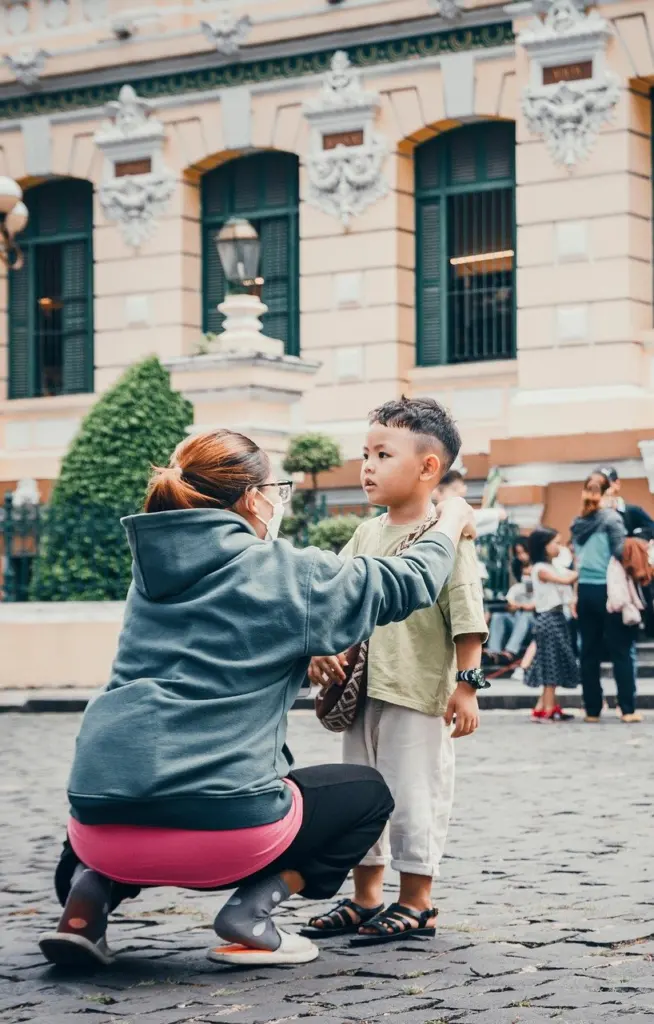
Remain impartial and validate all the children equally, without singling out who is at fault. Taking sides can unintentionally compromise your relationship with one of your children, as Dr Siggie points out. When you did not see what happened, describe the problem rather than a culprit, for example: “There is one toy and two people who want it.”
Hand the problem back
If your children are capable of fighting about something, they are capable of helping to solve it. Invite each to suggest a fix and ask the others to respond. This builds the skills Mental Health Center Kids describes: respectful negotiation, walking away to catch a breath, and seeking adult help when a child is too provoked to cope alone. Agree on those options in advance so a child who walks away is not accused of sulking.
Fair discipline for siblings
Fair discipline means the same rules and the same response for every child, applied without a hunt for the guilty party. Fairness here is about process, not identical outcomes.
- Use joint consequences when you cannot tell who started it. Shared consequences, such as losing screen time or phone privileges, avoid singling out one child. They suit fights you did not witness.
- Respond the same way each time. Consistency builds trust, predictability and emotional safety for children, according to Little Otter Health. A rule that is enforced one day and ignored the next teaches children to test it.
- Keep discipline separate from the mediation. Settle the consequence, then run the problem-solving conversation once everyone has calmed down, so the discussion does not feel like a trial.
Family rules and weekly meetings
Clear family rules about fighting, sharing and household tasks remove many arguments before they begin. Clear, consistent expectations about who is responsible for what, and when, reduce uncertainty.
A short weekly meeting is a simple way to set and review those expectations. Take 10 to 15 minutes at the start of each week to review tasks, and use the same slot to agree what happens when a disagreement starts. Write the rules down where everyone can see them, and let the children contribute so they feel the rules are theirs too.
Rules about conflict work best when they name what to do, not just what to avoid. Children who know the agreed options, such as walking away or calling an adult, have something to reach for when tempers rise.
One-on-one time and shared activities
Parental attention is one of the primary reasons siblings fight, so regular one-on-one time addresses that need. Mental Health Center Kids recommends scheduling regular individual and shared activities, such as playing board games, watching a movie or visiting the park.

- Individual time. Give each child a predictable slot with you, so they do not need to provoke a sibling to get your attention.
- Shared time. Pick activities where the children are on the same side, such as a cooperative game or a family movie, so they build positive memories together.
- Journeys and meals. Shared activities help when children are close together for a long time, and our ideas for car trip activities for kids give you a stock to draw on. If the argument is really about food, how to deal with a fussy eater covers that separately.
Frequently asked questions
| Question | Answer |
|---|---|
| Is sibling conflict always a problem? | No. Sibling conflict can help build perseverance, compromise, communication and coping skills, according to Little Otter Health. It becomes a problem when it turns unsafe or harmful. |
| Should I reward siblings for getting along? | Yes. Positive behaviours are more likely to happen again when they are acknowledged and rewarded, so notice and praise cooperation as well as responding to fights. |
| Do my own reactions to conflict matter? | Yes. Children learn to resolve conflicts by taking after their parents or primary caregivers, as Mental Health Center Kids notes. Calm, respectful handling of your own disagreements teaches them what to do in theirs. |