

| Need | Option | Detail | Planning use |
|---|---|---|---|
| Help at home for any family | Online positive parenting support through Parent Help | Offered to all Aotearoa families | Start here when travel, childcare or timing rules out a session in a hall. |
| Understanding your own approach | Parenting styles research by Diana Baumrind | Four styles: Permissive, Authoritative, Uninvolved, Authoritarian | Use the labels to name what you do under pressure, then choose a seminar topic that fits. |
| Advice at any hour | Plunketline parent helpline | Toll-free, 24 hours a day, seven days a week; 0800 933 922 | Save the number before a hard evening arrives. |
| Parenting on your own | Birthright support for one-parent families | Phone 04 802 5377 | Ring when you want support that starts from a solo-parent household. |
These figures and contact details come from Parent Help and the Mothers Matter Get Help Now page.
Good parenting tips NZ parents can use are small and repeatable: predictable routines, calm responses and support when needed. Pick a seminar or programme for ongoing help, then use the situation sections below.
If the format is new to you, read what is a parenting seminar before you book anything. The sections below move from choosing support, through the early years and everyday cooperation, to conflict, the middle years and teenagers.
Seminars and programmes: what they cover and who they suit
A parenting seminar is a taught session on a particular topic, and a parenting programme is a structured course that supports you over a longer stretch. Both are for any parent who wants practical ideas, not only for families in crisis.
What a seminar covers
The topics that matter most to parents are the everyday ones: setting boundaries, getting cooperation, handling big feelings, keeping routines steady and repairing a relationship after conflict. This guide follows those same situations, so you can use its headings as a checklist when you read a seminar listing. Schools and community groups choose a theme to suit their parents, and the list of parenting seminar topics shows what that can look like.
A seminar suits you when you have a specific, current problem and want to hear ideas, ask questions and leave with something to try the next morning. It also suits two parents who want to hear the same advice at the same time, so that neither has to relay it to the other afterwards.
When a programme is the better fit
Choose a programme when the same difficulty keeps returning. A single talk can give you a new idea, but a pattern at home usually needs repeated practice and a chance to report back on what happened. Comparing the options in parenting programmes nz will show you how longer courses differ from a one-off session.
Online help as a starting point
Immediate online positive parenting support is now offered to all Aotearoa families through Parent Help. That makes it the simplest starting point if you cannot get to a venue, cannot arrange childcare or want guidance at short notice. Treat it as a first step, not a replacement for a course if your situation needs more.
Choosing between the options
- Match the topic to today’s problem. A seminar on a subject you are not facing yet will be forgotten before you need it.
- Check the format. Ask whether the session is a talk, a workshop with discussion or a course across several meetings, and pick the one that fits how you learn.
- Decide what you will change. Go in planning to apply a single idea at home, and add more only when that idea is working.
- Bring your partner or support person. Shared language makes it easier to respond consistently when a difficult moment arrives.

Understanding your parenting style
Researcher Diana Baumrind described four main parenting styles, and Parent Help summarises them as Permissive, Authoritative, Uninvolved and Authoritarian. The labels are most useful as a mirror, not a verdict.
Try this: think back to the last time your child pushed back, and notice which label sounds closest to what you did. Most parents move between styles depending on tiredness, time pressure and who is watching. Seeing that pattern is more useful than aiming to be a single label every hour of the day.
Positive discipline is the practical response to what you notice. It means guiding behaviour by teaching and setting clear expectations, not by relying on threats or on giving in. If you want ready-to-use methods, the guide to positive discipline strategies for parents goes through them in detail. A seminar on this theme is a sound choice when you already know your reactions are not the ones you want.
Early years: boundaries, tantrums and language
Young children need adults who stay steady while they learn what is allowed. Parents of toddlers and preschoolers usually get the best returns from two things: clear limits that suit the child’s stage, and plenty of simple talk.
Boundaries and big feelings
A boundary only works if it matches what the child can understand and manage. Asking a very young child to wait quietly through a long errand is a plan likely to fail, so plan for the child you have. The guide to age appropriate boundaries for children helps you judge what to expect at each stage of development.
When a tantrum arrives, the aim is to stay close, keep your voice low and wait. Save the teaching for later, once the child can hear you. Give a short, calm label for the feeling afterwards, and restate the limit in a sentence the child can repeat back to you.
- Stay nearby, not over the top. Your presence tells the child they are safe even while the answer is still no.
- Keep the limit unchanged. Giving in mid-tantrum teaches the child that the tantrum is the way to get what they want.
- Debrief briefly. A short sentence about what happened and what comes next is enough for a young child.
Talking and reading together
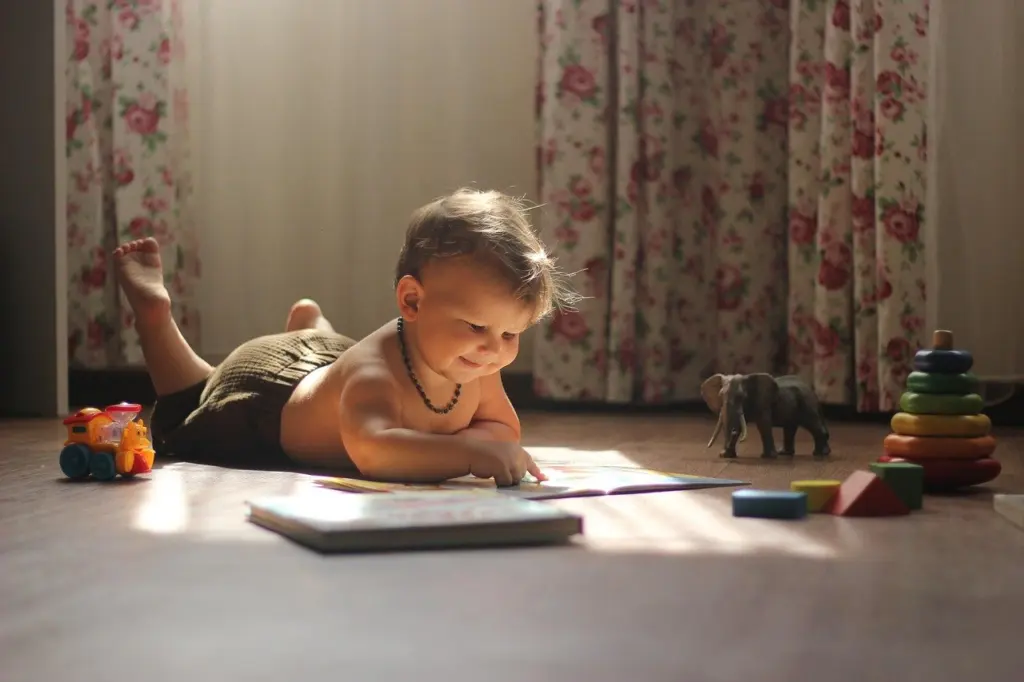
Everyday talk is the cheapest and most flexible tool you have for language. Name what you see, describe what you are doing as you cook or dress the child, and pause so the child has room to answer. A picture book gives you shared things to point at and name, and a child who is bored with the story can simply turn the page.
Follow the child’s interest, even if it means staying on a single page for a long time. Short, frequent sessions fit around the day better than a long, formal reading time. If you are concerned about how your child is speaking or understanding, raise it with your Plunket nurse or doctor and do not wait for a seminar to answer it.

Routines, play and cooperation
Predictable routines and time spent in play make cooperation easier because they reduce the number of battles you have to win. The Parenting Place suggests using ritual and routines to mark your day into predictable sections and to create order when things feel a bit chaotic.
Why predictable days help
The same source says that predictability in a child’s day helps to keep their brain calm and happier. In practical terms, a child who knows what comes after breakfast and what comes before bed spends less energy arguing about what happens next. You do not need a rigid timetable. A few anchor points, such as waking, meals, leaving the house and bedtime, give the day a shape that children can lean on.
Families who like visual aids can build a simple chart with pictures or words on the fridge, and let the children help make it. A chart takes you out of the role of constant reminder, because the chart does the reminding. Shared sayings can do a similar job for values, and these family mottos show how a short phrase can steer behaviour without a lecture.

Play that follows the child
The Parenting Place also recommends giving children periods of child-led play, where the adult or caregiver follows the child’s cues. This is a useful counterweight to a day full of instructions. For those minutes you do not direct, correct or teach. You describe, join in and enjoy.
Child-led play is also easy to fit into a busy week because it needs no equipment and can be short. Put away your phone, sit at the child’s level and let them decide the game.
Cooperation without punishing
You can get cooperation without punishment by combining clear expectations, predictable routines and a calm tone, and by saving consequences for genuine safety issues. Start by asking whether the request is realistic for this child at this time of day. Many refusals come from tiredness, hunger or surprise, not from defiance.
- Give notice. Tell the child what is coming before a transition, so it does not feel like an ambush.
- Make the request specific. “Shoes by the door” is easier to follow than “get ready”.
- Offer a real choice. Two acceptable options give the child some control without moving the limit.
- Notice cooperation. Say so when the child does what you asked, so that the behaviour you want gets your attention.
For a fuller walk-through of these methods, see how to get kids to cooperate. If you are weighing up consequences, should i punish my child lays out the questions worth asking before you decide.
Everyday flashpoints: meals, car trips and siblings
Most family friction clusters around a few predictable moments, so those are the best places to apply the routine and cooperation ideas above. Treat each flashpoint as a planning problem you can solve in advance, not a character flaw in your child.
Mealtimes
Mealtimes go better when they have a clear start, a clear end and a calm atmosphere. Serve the food, keep the conversation relaxed and avoid turning the table into a negotiating room. The guide on how to deal with a fussy eater develops this approach step by step.
Car trips
Long drives are a routine in miniature: they need a beginning, a rhythm and some way to break up the time. Pack things to do before you leave so that you are not inventing entertainment at speed, and make sure every child is properly restrained before the car moves. Ideas that work for different ages are collected in car trip activities for kids.
Siblings
When siblings fight, the first job is to keep everyone safe and the second is to avoid becoming the judge of every dispute. Praise the moments when they play well together, and teach them words to use in place of grabbing and shouting. The guide on how to stop siblings fighting covers what to do in the moment and how to reduce the pattern over time.
Talking with your child after a family conflict
The best time to talk after a conflict is once everyone has calmed down, and the best way to begin is with empathy, not an explanation of who was wrong. Conflict does not have to damage the relationship, and the repair afterwards often teaches children more than the argument did.

A sequence that works for most ages
- Calm yourself first. If your voice is still raised, wait until it is not.
- Find the child and get to their level, in a quiet spot without an audience.
- Start with their feelings. Say what you think they felt and ask whether you have it right.
- Own your part. If you shouted or reacted harshly, say so plainly.
- Explain the limit again in a few words, and agree on what each of you will do next time.
- Finish with something warm, such as a hug, a snack or a short activity together.
Psychology Today notes that parents who are able to offer more empathy than judgment can continue to be a source of guidance for their kids. That point is made about teenagers, but it holds for younger children too, because a child who expects a lecture will stop listening before you reach the point.
You can find more on structure and wording in how to talk to your child after an argument. When the conflict has left a child stuck in a bad mood, how to help a child change their mood offers ways to shift the atmosphere without dismissing what they feel.
Supporting emotional wellbeing in the middle years
Emotional wellbeing in the middle years rests on a calm household, regular time with you and a sense that the child belongs. It also rests on how well you are coping, because a stretched parent has less patience to spare.
Looking after the whole household
A nib State of the Nation Parenting Survey, reported by The Parenting Place, found that 62% of New Zealand parents say the rising cost of living is significantly affecting their parenting. If money worry is leaking into family life, you are not alone, and it is reasonable to simplify the week instead of adding more activities. Fewer commitments, a steady rhythm and some protected time together can do more for a child’s mood than another outing.
Keep up the habit of child-led play where you can, even as children get older. Older children can lead in their own ways: choosing a game, a walk or a recipe, with you following their direction. For age-specific ideas, see emotional wellbeing for children aged 8 to 12.
A Māori view of children and whānau
The Tūpuna Parenting guide says that tūpuna believed pēpi were born tapu and born with mana. That view treats a child’s worth as given from birth, not earned by behaviour, and it changes how you read a hard moment: the behaviour is a problem to solve, and the child is not the problem. Parents of any background can borrow the idea when they feel tempted to label a child as naughty or difficult.
Teenagers: guidance, debate and space
Parenting a teenager works best when you stay available, argue with respect and allow privacy. The guidance on parenting teenagers from Psychology Today describes a parent who is willing to debate an issue with a teen, and not just demand obedience, as showing respect.
Debate instead of demands
In practice, that means explaining the reason for a rule, listening to the objection and being willing to adjust where the point is fair. It does not mean giving up the final say on safety. Teenagers who feel heard are more likely to bring problems to you than to hide them, so choose a time when neither of you is rushing.
Solitude is not a warning sign by itself
The same source explains that solitude allows adolescents to experiment with autonomy, find time for introspection and regulate their moods. A teenager who spends time alone in their room is not necessarily withdrawing from you. Watch the balance: some alone time is healthy, while a sudden and lasting change in how they eat, sleep or talk is worth a gentle conversation, and if it persists, advice from a doctor or school counsellor.
Looking after yourself as a parent
Your own support is part of your child’s wellbeing, so build it before you are desperate. Decide which phone line you would use and who you would ask for an hour of help, and write both down somewhere you can find them.
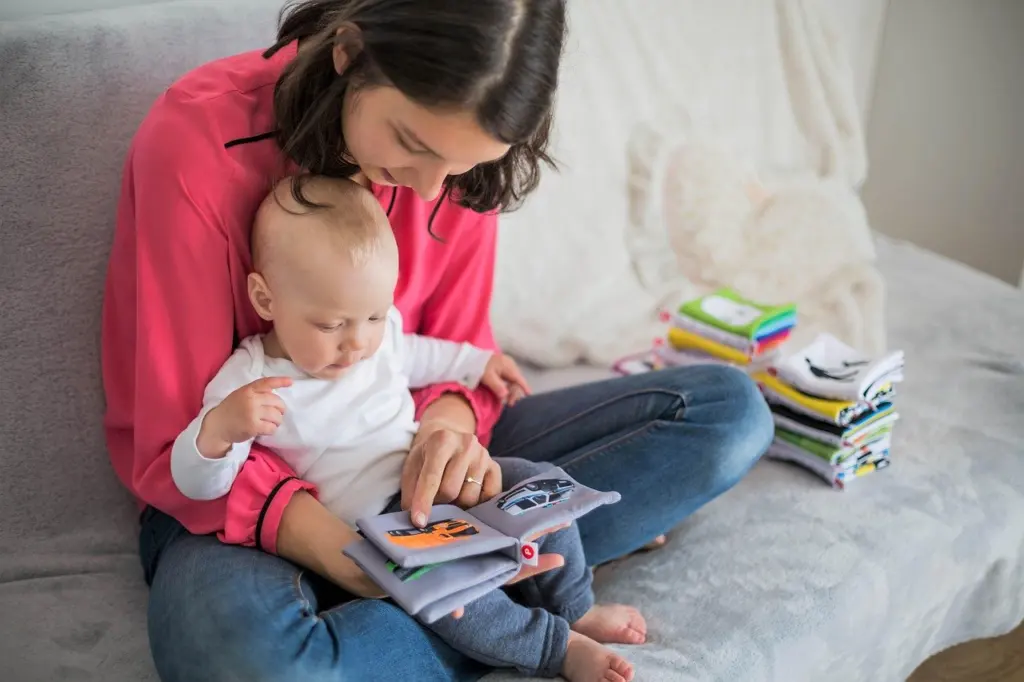
Plunketline, listed in the table at the top, is a free parent helpline open to all families, and it is a sensible first call when you are unsure whether something is worth worrying about. Parents raising children alone have extra reason to seek backup, and the guide to single parenting tips covers practical ways to share the load. Seminars and programmes can also be a source of company, because sitting in a room with other parents shows you that your struggles are common.
Frequently asked questions
Is it normal to clash with a teenager?
Yes. Psychology Today describes conflicts between parents and teens as common occurrences. What matters is how you repair afterwards, so keep the door open and return to the subject once things are calm.
Does asking for help mean I am doing a poor job?
No. Mothers Matter notes that parents who get the support and help that they need with parenting are more relaxed, and a more relaxed parent is better placed to care for children.
Does a Māori approach to parenting differ from other advice?
It starts from the child’s inherent worth. The Tūpuna Parenting guide says that seeing whānau as unique and special is mana-enhancing, so measure your family against its own values and not against other households.