

| Situation | What shared meals are linked to | Planning use |
|---|---|---|
| Feeding young children | Better nourishment, more fruit, vegetables and dairy, and a greater willingness to try new foods when children help prepare them | Give children a small preparation job and let the routine, not a special recipe, do the work. |
| Parents with demanding jobs | Lower work-related stress and family tension, plus a set time to talk about the day | Protect the meal as a reset point between work and home. |
| Older children and teenagers | Conversation linked to higher self-esteem and a bigger vocabulary | Put conversation ahead of the menu and keep the tone light. |
| Phones and television at the table | Phones muted and out of reach; distracted meals may increase how much people eat | Decide where devices go before anyone sits down. |
The table draws on Texas A&M’s Dinner Tonight programme and the US Department of Homeland Security’s family meals guidance.
The benefits of family dinners centre on better nutrition, easier conversation and lower household stress. The evidence shows links rather than guarantees, so treat it as a good reason to try, not a promise.
Shared meals are one part of a wider family routine. If you are working on the bigger picture, start with how to build your family into a team, then come back here for the detail on the table itself.
Families with young children
The clearest links between shared meals and wellbeing concern how younger children eat. This is where a regular meal is most likely to change daily habits.
Better food choices
Texas A&M’s Dinner Tonight programme reports that children who eat with their families are better nourished, have lower rates of obesity and have better vocabularies. It also says children who eat more family meals consume more fruits, vegetables, milk and dairy foods than those who eat fewer. The US Department of Homeland Security describes the same pattern: families who share meals tend to eat more vegetables and fruits, fewer fried foods and snacks, and drink less soda. It adds that children who eat family meals are less likely to become overweight or obese.
Neither source puts a number on these differences. That makes the findings most useful for parents who want a low-effort change. Eating at home together, even with ordinary food, is a smaller step than overhauling a whole diet.
Letting children help
According to Dinner Tonight, children are more likely to try new foods when they are involved in meal preparation. This suits households where a new vegetable keeps being refused at the table. Handing the child a job before the meal gives them a stake in what arrives on the plate.

- Pick one new food. Introduce it as the child’s task rather than adding several at once.
- Give a real job. A job that changes the meal works better than a token one.
- Keep the rest familiar. A known dish beside the new one lowers the stakes.
What the nutrition findings do not promise
Dinner Tonight points out that family meals are more nutritious but not necessarily lower in calories. Parents hoping that dinner together will manage weight on its own should keep that in mind. The meal improves the mix of foods, while portion sizes still need attention.
These nutrition findings are associations. Families who eat together may differ from other families in several ways, so shared meals are better seen as one helpful habit than a cure.
Busy parents and tense evenings
Parents with demanding jobs are among the groups the US Department of Homeland Security speaks to directly. Its guidance says that finding time to eat with your family is a good way to reduce work-related stress.
Using dinner to unwind
The same guidance suggests using mealtime to talk about the day’s events, catch up and simply spend time with each other. It also notes that regular family meals may ease family tension. This suits households where the evening otherwise dissolves into separate tasks and separate rooms.
The practical lesson is to protect the time rather than perfect the menu. A simple meal eaten together does more for this benefit than an elaborate one eaten in shifts. If the day has been difficult, a short check-in works better than a debrief that feels like an interview.

Making the meal a routine
Regular meals can only help if they actually recur, so tie dinner to something that already happens each day. Some families turn it into a ritual with a set seat, a shared task or a weekly theme. For ideas that go beyond food, see these family traditions ideas.
Older children and teenagers
The research is less specific about teenagers than about younger children, since the findings mostly describe children broadly. For older children the case rests on conversation, and the benefits below are better treated as plausible than as measured for teens specifically.
Conversation and confidence
Dinner Tonight reports that mealtime conversation brings the family together and promotes positive self-esteem in children, and that having conversations at mealtime increases children’s vocabulary. Allina Health adds that kids who regularly eat dinner with their parents experience less stress, and that regular meals together can increase a child’s feelings of security and togetherness.
These findings suit parents who want to stay in touch with an older child without arranging a formal talk. The table gives a low-pressure, predictable setting, which can matter when a teenager would avoid a direct conversation. Keep the questions open and the mood light, because the benefit comes from talking, not from interrogation.
Reading the wellbeing findings sensibly
Lower stress, a stronger sense of security and higher self-esteem are reported links, not proven effects of dinner itself. A family that manages regular meals may also be calmer or better organised in other ways. The practical position is a modest one: shared meals are a reasonable habit that goes with good outcomes, and a missed meal is not a failure.
Phones, television and distractions
Screens can cancel out much of what a shared meal offers. A table where everyone is watching or scrolling is a group of people eating alone together.
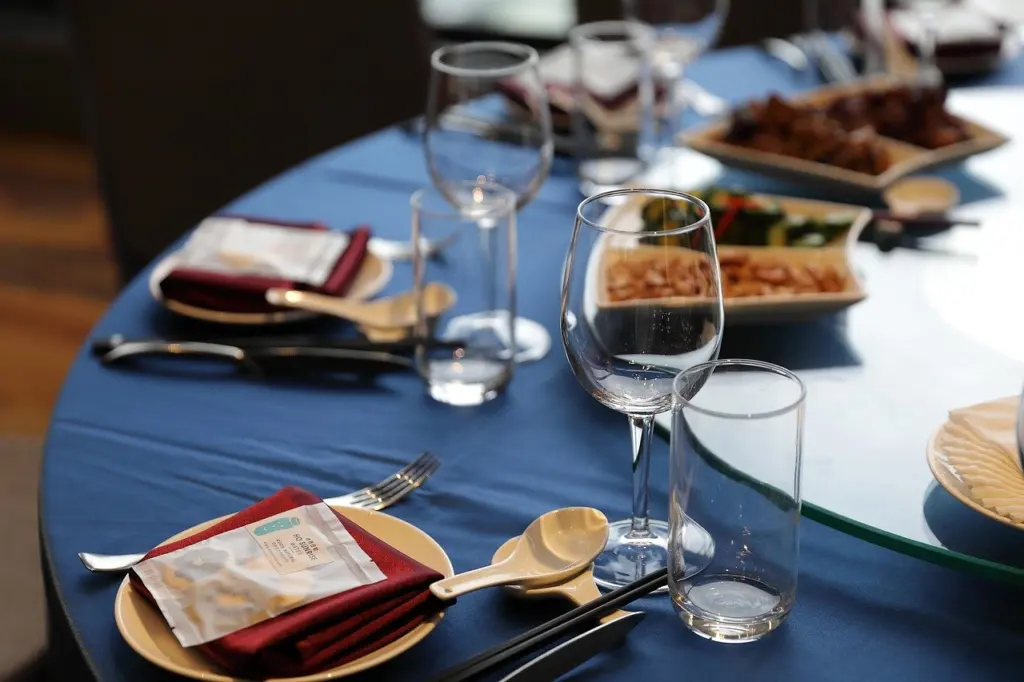
Phones away from the table
The US Department of Homeland Security’s advice is to leave phones on mute and out of reach at mealtimes. This works best as a household rule that adults follow too, with a clear place for devices such as a basket by the door. Agreeing on the rule before the meal avoids negotiating it during the meal.

Distraction and how much is eaten
Dinner Tonight, citing a study in the journal Pediatrics, says family meals eaten while distracted by television, phone calls or reading the mail may actually increase food consumption. That links the screen-free habit to nutrition as well as conversation. If a household cannot manage a full ban, the television is a sensible first thing to switch off, because it competes most directly with talk.
Beyond the dinner table
Dinner is one place to build the habit of time together, but it is not the only one. For ways to extend that time through the week, see these family bonding activities at home.
Frequently asked questions
| Question | Answer |
|---|---|
| Why is eating together as a family linked to better outcomes? | Shared meals give a regular chance to talk and to eat food prepared at home, which is the likely route to the nutrition and connection benefits reported by the US Department of Homeland Security. The findings are links, not proof of cause. |
| Do the benefits still apply if meals are not at dinner time? | Yes. Allina Health says a family breakfast, weekend brunch or Saturday lunch works just as well. What counts is a shared meal that is part of the family routine. |
| Do family meals need two parents and children? | No. Dinner Tonight says the concept of family meals does not exclude single-parent homes or couples without children. |
| Do the benefits last into adulthood? | Dinner Tonight reports that young adults who were raised eating regular family meals consume more vegetables. That is a diet finding only, with no wider adult outcomes claimed. |