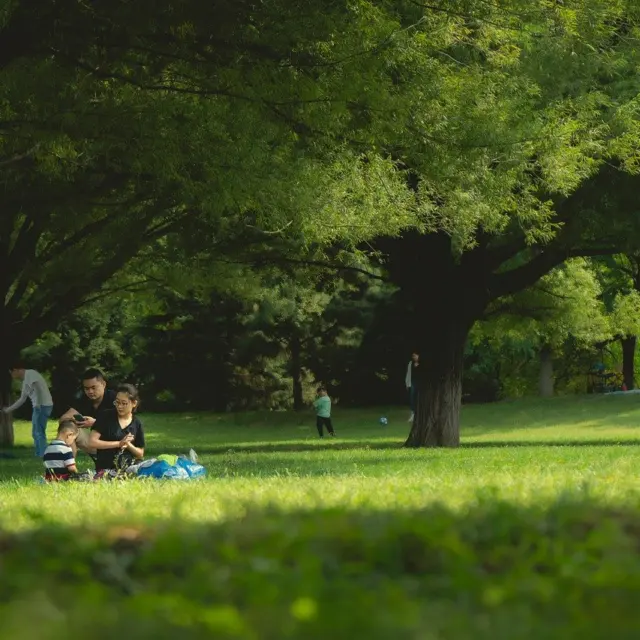

Family bonding activities at home work best when setup takes under ten minutes and everyone can join in. Start with a backyard picnic, a short game round or a shared bake, then build a routine.
If you want the bigger picture of working as a unit, read how to build your family into a team. This page covers the everyday activities that support it, sorted by who lives in your house and how much time you have.
Picture a Saturday afternoon: a young child wants attention, a teenager is in their room, and nobody has money or energy for an outing. The sections below start with the lowest-effort options and then narrow to your household’s age mix.
Quick wins when time and money are short
The easiest at-home activities cost nothing and need almost no preparation. Pick the one that fits the time you actually have, not the time you wish you had.

Backyard picnic
A picnic on the lawn or deck turns an ordinary snack into an event. A family weekend activities guide suggests staying outside for at least 30 minutes with phones resting in a bowl by the door. It also notes that even a 15-minute picnic changes the mood of a day, so a short version is still worth doing when the afternoon is tight.
Library trip
A library is not at home, but it is free and can feed several evenings of shared activity. The same guide says library calendars list story hours, craft afternoons and teen game nights at no cost. Set one rule before you walk in: everybody picks exactly one book. That removes the negotiation before it starts.
Keep setup short
If an activity needs a lot of preparation, it tends to be skipped. Choose ideas where you can start straight away, such as a pack of cards, a bake using ingredients already in the pantry or a puzzle left out on the table. Save elaborate plans for the odd occasion rather than the routine.
Matching an activity to the problem
Use this table to pick by the obstacle in front of you. It covers the options with supported timings, and the rest of the page adds ideas for particular age mixes.
| Situation | Activity | Time and condition | Planning use |
|---|---|---|---|
| Very little time | Backyard picnic with phones in a bowl | At least 30 minutes outside; 15 minutes still useful | Run the short version on a busy day rather than skipping it. |
| Everyone wants a different thing | Family board game tournament | Three short games, event capped at two hours | Short games let each person’s choice get a turn. |
| Boredom and no budget | Library visit | Each person chooses exactly one book | A fixed rule avoids bargaining at the shelves. |
| Weekend with no energy | Any low-effort activity | Setup under ten minutes | If it takes longer to prepare, choose something simpler. |
These figures come from Momma Bears’ family weekend guide and GoAuPair’s family bonding advice.
Activities for mixed-age households
When a toddler, a primary-school child and an older sibling share a lounge, the best activities let each person take part at their own level. Look for tasks with several small jobs rather than one skill that only the oldest can manage.
Baking together
A shared bake gives every age a role: measuring, stirring, rolling, cutting shapes, washing up. Choose a simple recipe like biscuits so the result arrives quickly and younger children stay interested. Let the older child read out the steps, which gives them authority without excluding the youngest.

Blanket fort
Chairs, cushions and blankets already in the house make a fort that costs nothing. Younger children enjoy the building, and older ones can design it or take charge of the engineering. Finish by sharing a snack or a book inside it so the fort becomes the activity, not just a prop.
Jigsaw puzzle
A large jigsaw suits households where energy levels differ. People can drift in and out, and nobody has to compete. Leave it on a table or the floor for a few days so anyone passing can add pieces, and keep the box lid handy as a guide for younger helpers.

Family game night for mixed ages
A family game night works for mixed ages when the games are short and the event has a clear end. GoAuPair describes game nights as family team-building that fosters collaboration, laughter and a bit of healthy competition, using classic board games or family-friendly video games.
To keep every age engaged, treat the evening as a small tournament. The weekend guide advises picking three short games instead of one long one, since attention spans fade after about 40 minutes. It also recommends capping the whole event at two hours and then cleaning up as a team.
- Let the youngest choose the opener. They get a turn in the spotlight and the rest of the evening starts on their terms.
- Mix luck and skill. Games where chance matters give younger players a real shot at winning, which keeps older players from dominating.
- Try cooperative play. Working against the game rather than each other suits households where one child struggles with losing.
- Finish on a clean-up. Packing away as a team makes the end of the night part of the activity.
Activities teenagers will accept
Teenagers join in more readily when they have a say and the commitment is short. Ask rather than announce, and offer a choice between a couple of options instead of a single plan.
Card games are a good fit because they need no setup, can be paused, and let conversation happen without forced eye contact. Cooking a meal together serves a similar purpose: a teenager can take charge of one dish and see the result on the table. A puzzle left on the dining table lets a parent and teen work side by side without pressure to talk.
If your teen finds home activities dull, look outward too. The weekend guide notes that library calendars list teen game nights alongside craft afternoons and story hours, which gives them time with peers while you stay involved in their week.
Shared meals and screen-free time
A shared meal is the most dependable bonding slot most households already have. Snacks and a shared table also lift game night and picnics, so combining the two costs nothing extra. The benefits of family dinners are covered in their own guide, including how to make the table a place people want to be.
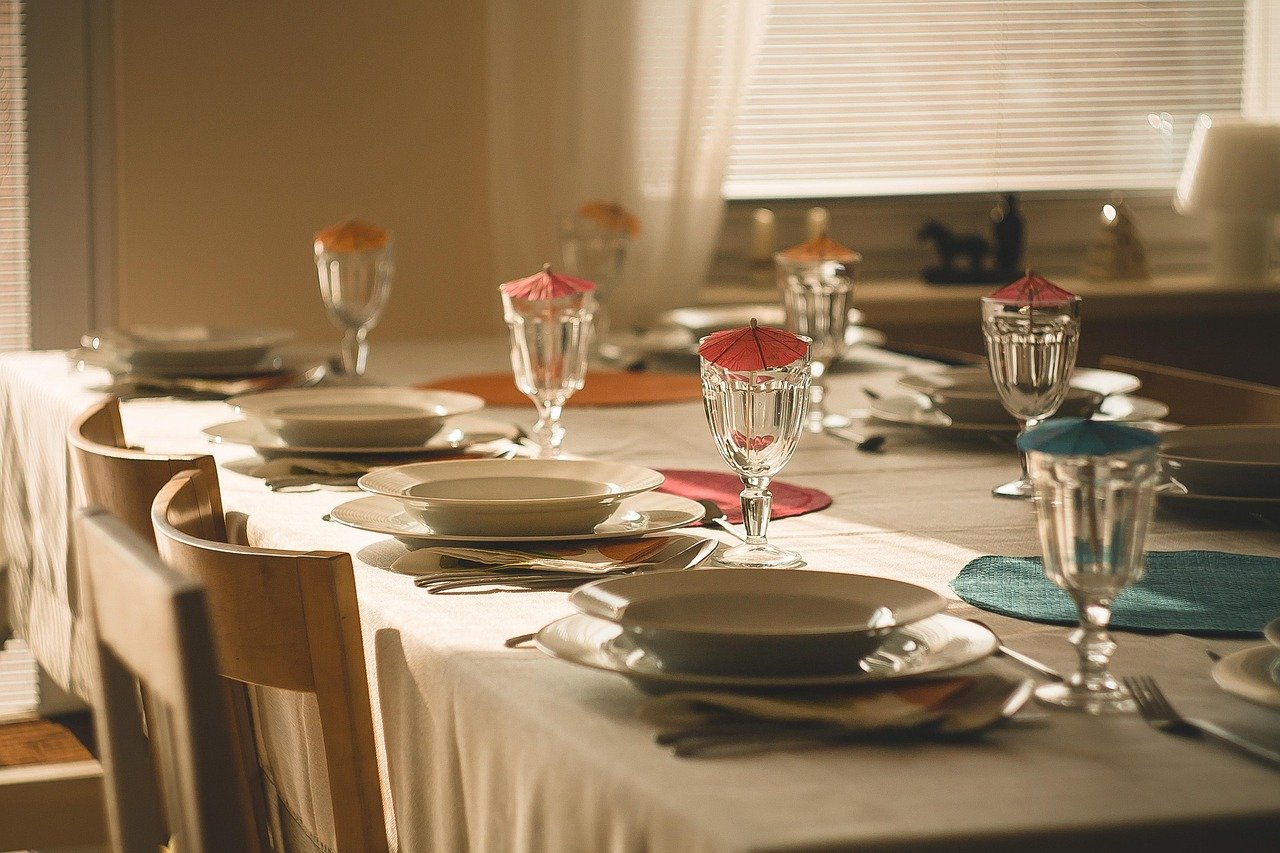
Screen-free time is easiest when it is a household rule rather than a parental demand. Putting phones in a bowl by the door, as the picnic advice suggests, applies to everyone, adults included. A written family media agreement can set out when screens go away so these moments do not turn into daily arguments.
How often to do it, and whether it helps
Aim for a recurring slot your household can keep, not an occasional big day. The weekend guide puts it plainly: kids remember frequency more than spectacle. A short, regular activity such as a picnic or a game round counts for more than an elaborate outing that happens rarely. Pick a time that survives a busy week, and shrink the activity rather than cancel it.
Whether shared time improves how children and parents get along depends on what happens during it. GoAuPair describes game nights as fostering collaboration, laughter and healthy competition, and those are the ingredients of closer relationships. The practical reading is that regular, low-pressure activities give everyone repeated chances to cooperate, share a joke and see each other relaxed. Activities that turn into lectures or screen battles are unlikely to do the same.
Frequently asked questions
| Question | Answer |
|---|---|
| Do video games count for family game night? | Yes. GoAuPair’s advice mentions family-friendly video games as an alternative to classic board games, as long as everyone plays together. |
| What food makes game night feel special? | Simple snacks do the job. The weekend activities guide suggests popcorn, cheese cubes and something fizzy to turn a card table into an event. |
| What if my teenager refuses to join in? | Offer a short, specific choice rather than a general invitation. A card game or cooking one dish takes little commitment, and a library teen game night keeps them connected to family routines without a home event. |